

Introduction
Building a dream freezer is about more than just aesthetic satisfaction. It is about creating a high-functioning space that saves you time, money and mental energy. Whether you are a seasoned pro or just starting your journey, mastering freezer organization is key to making the most out of your freezer stash.
Let’s dive into the art of building a comprehensive meal prep freezer stash that is well-stocked and beautifully organized at the same time. This guide takes you through the essential freezer organization ideas on how to keep your freezer stocked, organized, and rotated to make sure that every meal you have prepped is accessible and enjoyed at its peak quality. This article is geared towards upright freezers, side-by side freezers, and top freezers. If you want to organize your chest freezer check out this Chest Freezer Organization Tips for your Souper Cubes Meals.
Why Systems Matter
An upright freezer offers a unique advantage - visibility. Unlike the "dig and find" nature of deep chest freezers, side by side and upright freezers allow for a vertical library of food. To make the most of this space, you need a strategy that matches. Consider the following:
- Categorization - Grouping like-items to prevent mystery items
- Inventory Management - Knowing what you have before you head to the grocery store
- Accessibility - Ensuring your favorite meal prep freezer trays and bins are always within reach.
By implementing these freezer organization ideas, you’ll transform your freezer from a chaos to order. Let’s get started!
Souper Cubes Bin-Based System

While chest freezers and drawer freezers require their own unique tactic, upright and side-by-side models demand a vertical, library style approach, which we call a “Bin-Based” system approach. Think of your freezer shelves as bookshelves and the bins as your book genres. To utilize a bin-based freezer, we recommend finding a high quality, freezer-safe, clear acrylic bin for a modular zone based system that will allow you to categorize meals. Start by creating and organizing zones.
While there is no right way to group your inventory; the goal is to create a logical flow that suits your menu and household. But you could consider categorizing by Meal Category (dedicated bins for soups & stews or complete meals), protein or dietary preference (separating vegetables, proteins) or target audience (bins for specific groups like kid-friendly). By placing the frozen cubes in a category together in a bin, this allows you to keep everything organized, neat and secure.
Purchasing bins are not a requirement, you can certainly use whatever you have on hand, even a shoe box to get started. The benefits of the bins are that they make it easy to place labeling tape on the outside for category organization and since they are clear, they allow you to see how full or empty your bin is.

If you’re freezing your food in Souper Cubes trays, we recommend having a dedicated and central “work-zone.” Often this means dedicating the top shelf for trays or items that need to be frozen before transferring to a freezer-safe bag. Once the food is in its freezer-safe bag, we transfer them to the appropriate categories in your bin-based system. This allows for the whole workflow to remain efficient and the system to work. This systematic approach ensures that your next meal is easily accessible and at its peak quality.
Before purchasing bins, you’ll want to consider the size of bags you’re storing your frozen food in as well as measuring the width and depth of your shelves so that it is an appropriate fit. You might find yourself using smaller bins for foods you don’t freeze as often and larger bins for common categories or bulky items.
The Souper Cubes System: Step by Step
The Souper Cubes Meal Prep System is designed to freeze portions of food by filling the trays, then transferring your frozen cubes to a freezer safe bag so that it's more space efficient. Then place your bag into the freezer in the appropriate spot and be sure to document it on your inventory. We recommend eating through the oldest date product first and be sure to note when something is getting low. Below we walk you through the process step by step.

Step 1 - Clean Sweep
Clean up your freezer and purge anything that is out of date, freezer burned.

Step 2 - Fill Your Souper Cubes Tray
Allow your food to cool slightly in the trays, so you aren't putting hot food into the freezer to avoid heating up the rest of your freezer and limiting the amount of ice crystals.
- Pick the size tray you want based on the recipe and how you will be using it. Fill your Souper Cubes trays to the "fill line."
- Place the lid on the tray securely. This prevents odors from seeping in and allows you to stack multiple trays on top of one another.

- Label the tray with Souper Cubes water-based paint markers or with Souper Cubes kitchen labeling tape and permanent marker. We recommend placing our narrow tape on the lid so that you can easily scan what is in the trays when opening the freezer door. Let the trays sit in the freezer for at least 8–12 hours. They need to be completely firm before the next step.
Step 3 - Transfer Frozen Cubes to Freezer-Safe Bag

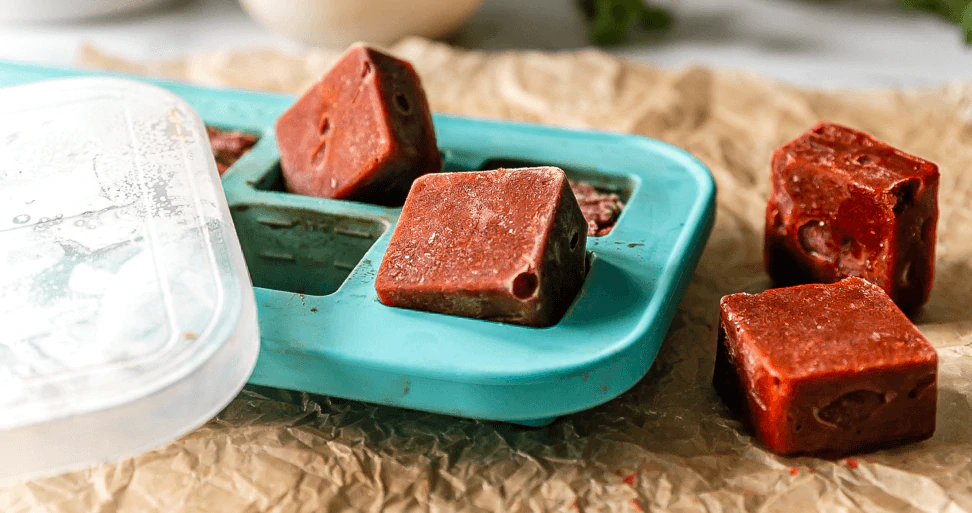
Once frozen, it’s time to reclaim your trays so you can use them for the next batch.You can fit 8 frozen cups in a gallon freezer bag or opt for one of our pre-cut vacuum seal bags for long term storage. Remove the tray from the freezer and let it sit out at room temperature for 5 minutes. This allows the lid to warm up to room temperature, making it easier to remove the lid and press the bottom of each silicone well. The frozen blocks will pop right out. Label your freezer-safe bag before transferring the frozen cube(s).

Pro Tip: Souper Cubes 8”x10” vacuum bags fit two 1-cup cubes perfectly side-by-side or a single 2-cup cube, creating a "brick" that is easy to store. Souper Cubes 6”x10” vacuum bags fit two ½-cup cubes or a single 1-cup cube.
Step 4 - Inventory & File

Now, we move to the storage containers (the bin system). While we would love every inch of your freezer to be filled with Souper Cubes, the reality is that most freezers also house irregular items like bulk meats, frozen treats or boxed goods. To maintain your organizational system without losing space you can remove store-bought boxes that take up space or utilize the bottom drawer for those irregular shaped items or freezer door shelves for smaller items. These places can be used as your “catch-all” zone for items that don’t fit into your system.
- Create a system to track your inventory and mark your cubes on the freezer inventory sheet you create, so you don't forget it's there.
- Place in the freezer but be sure to "file" them vertically like books in a library so that they don’t get lost or buried.
- Assign a bin to a specific category. For example: Bin 1: Soups & Stews (Chili, Tomato Soup); Bin 2: Sauces (Marinara); Bin 3: Complete Meals (Lasagna, Enchilada Casserole)

- An alternative system for labeling involves placing a labeled piece of kitchen tape with the exact contents of each bin so that you know what’s inside. For instance, you might have a piece of labeled tape for chicken soup, a piece of labeled tape for tomato soup, etc. This allows you to quickly scan what is in your freezer if you opt out of an external tracking system. Once all the food has been eaten (e.g., there’s no more tomato soup in the freezer), you remove the labeled tape that says “tomato soup.”
- For irregular shaped food items like meat, try to take things out of the tray that might be in and wrap in butcher paper or vacuum seal.
- If your freezer has a bottom drawer, this can be a great place for irregular items.
- If you’re freezing things that come in boxes, try to transfer them to a bag once the box has been opened to reclaim more space.
- Smaller items are often placed on the shelves on the door of the freezer. But be sure to not place things that are more sensitive to fluctuating temperatures like dairy-based products.
Step 5 - Reheat & Restock

When you’re ready to eat, simply check your inventory list to see what’s in stock.
- FIFO (First In, First Out) - Grab the oldest dated bag in the bin.
- Reheat - Depending on what you’re grabbing from the freezer, you can transfer the frozen cubes to a microwave, stovetop, or oven to reheat. If you let the food thaw in the refrigerator in advance, it will cut down on the reheating time.
- Restock - Make note of what is getting low on the list.
Starter Prep List
Before you can build a dream stash that actually feeds your family, you need a roadmap. It’s easy to get over-ambitious and fill your shelves with random ingredients, but the best way to organize your freezer relies on intentionality and strategic planning. Think about your favorite meals you make during your busiest weeks and start with these since these are meals you know you will actually eat. Pick two or three of these anchor recipes that share common ingredients to save on your prep time, reduce grocery waste, and that you can prep in larger batches.
Good practice is to check out your pantry staples first and create a shopping list. Then clear a dedicated flat space in your freezer to ensure your trays can sit perfectly level while they freeze. By focusing on high impact meals first, you will build immediate momentum and see your freezer bank grow, without feeling overwhelmed by a marathon cooking session. Here are some suggestions to get you started:
The 2-Cup Tray
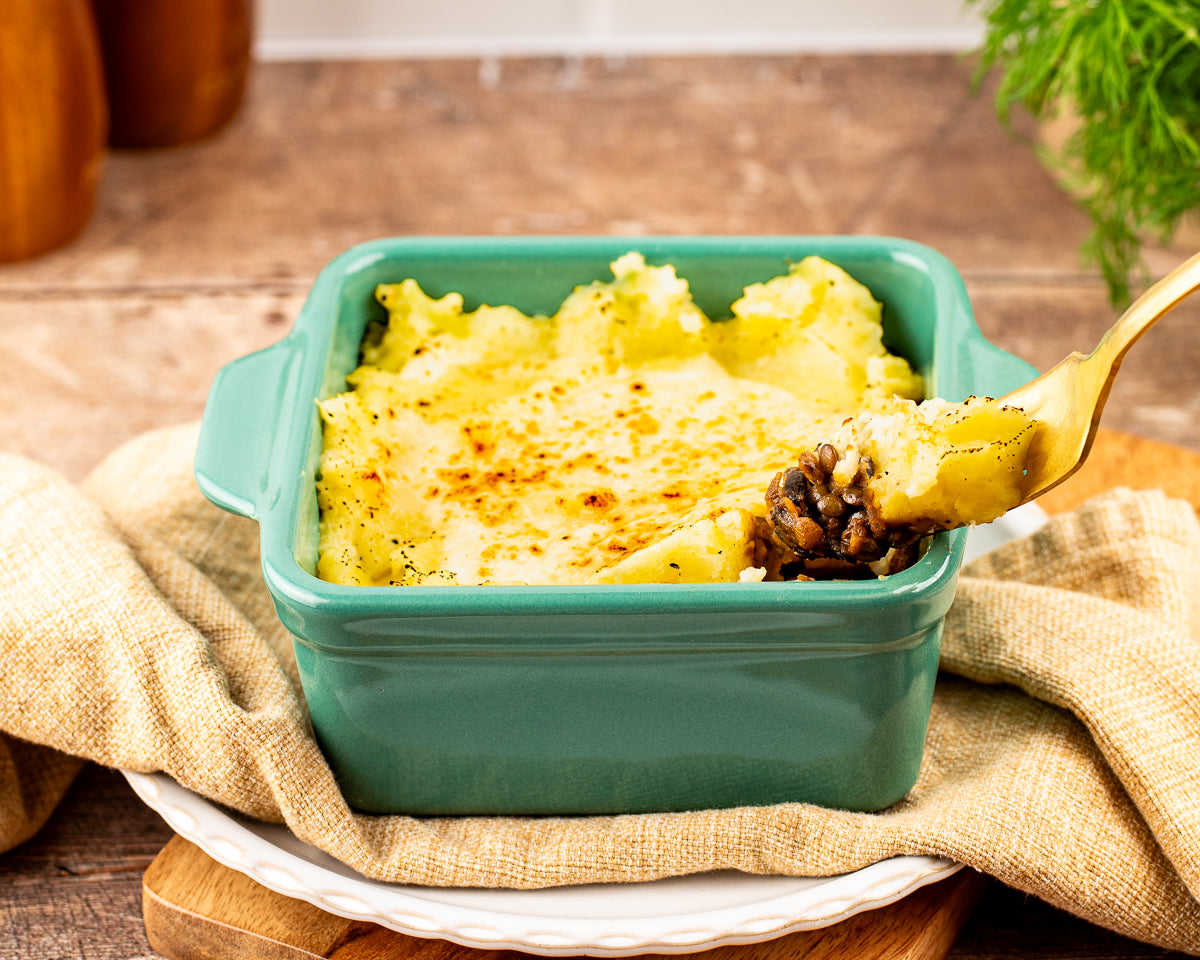
- One Pot Slow-Cooked Spaghetti Sauce
- Freezer-Friendly Make-Ahead Lasagna
- Ultimate Easy Enchilada Casserole
- Freezer-Friendly Chicken Pot Pie
The 1-Cup Tray
- Freezer-Friendly Creamy Roasted Tomato Basil Soup
- Easy Chicken Tortilla Soup
- Italian Wedding Soup
- One-Pot Veggie Mac and Cheese
The ½-Cup (or 2-Tablespoon) Tray
Pro-Tip: If you have extra fruit or spinach that's looking a bit sad, blend it up with a splash of water and freeze it in Half-cup cubes. In the morning, just toss one "puck" into your blender with your protein powder and milk—no ice cubes needed!
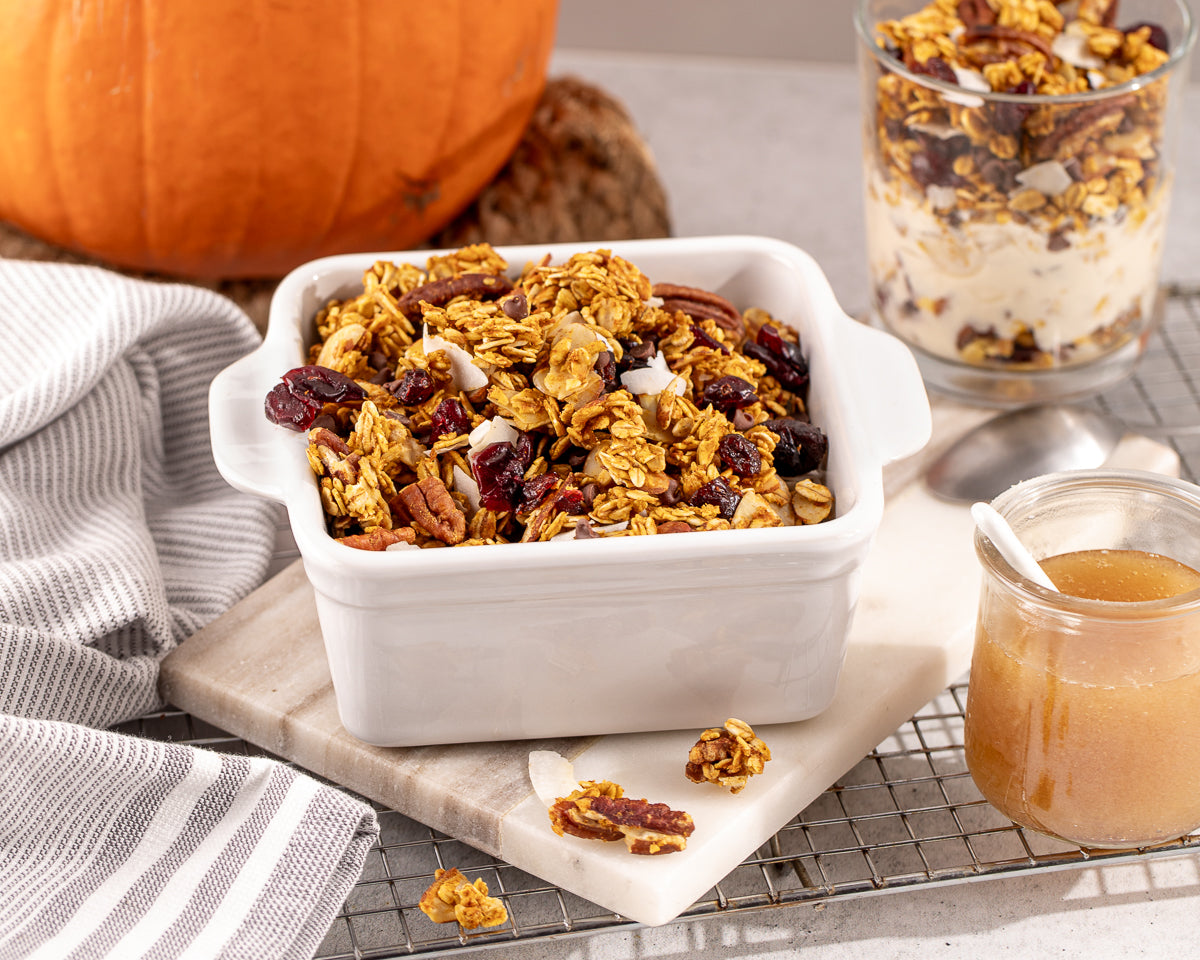
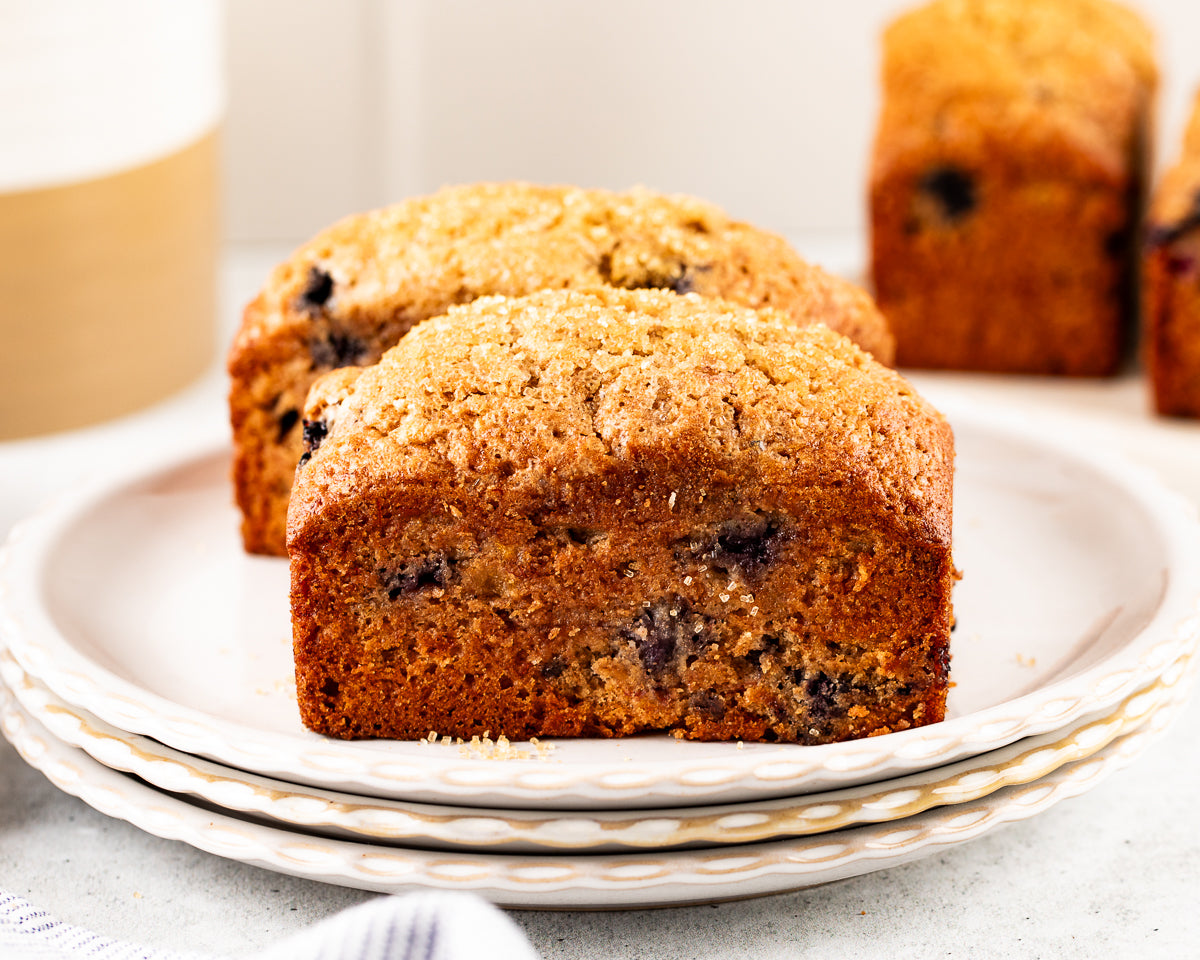
Cookie Tray
Frequently Asked Questions (FAQ)
What is the best way to organize your freezer?
The most effective method is a bin-based system where meals are categorized by type and filed vertically in clear bins like books on a shelf. While chest freezers require a layered approach, upright and side-by-side units thrive on this vertical filing strategy, which ensures every item remains visible and accessible.
In what order should food be stored in a freezer?
Always follow the FIFO (First In, First Out) method by placing the oldest items at the front and the newest additions in the back. This professional-grade approach, combined with clear labels for dates and contents, ensures your inventory stays fresh and nothing gets lost.
How long can you keep food in the freezer?
In freezer-safe bags, generally aim to use within 3-4 months. If using Souper Cubes pre-cut vacuum sealed bags, you could extend the shelf life significantly. Always label your containers with the date of preparation so you can track quality at a glance.
How do you organize a small freezer?
Maximize limited space by using narrow bins and filing bags vertically to claim every inch of horizontal shelving. The Souper Cubes system is ideal for small units because pre-portioned cubes are compact, uniform, and stack easily without wasted space.
Is it better to vacuum seal or use zippered freezer bags?
Vacuum sealing is best for long-term storage (prevents freezer burn). Standard freezer bags work for items you’ll use within 3-4 months. The Souper Cubes pre-cut vacuum seal bags are sized to fit the frozen cubes perfectly.
What should I stock my freezer for meal prep?
Start with two or three of your favorite recipes that you know you will eat and freeze well. It’s helpful that they share common ingredients to make batch cooking more efficient. Focus on high-value meals that reheat well, and refer to the ‘Starter Prep List’ section to help you build a balanced and delicious stash.
Conclusion

The Souper Cubes Bin-Based System represents more than just a clever way to arrange your freezer; it's a fundamental shift in how you approach home cooking and meal preparation. By using Souper Cubes trays for perfect portioning and transferring those frozen blocks into labeled, freezer-safe bags, you can file your meals vertically like a library. This system maximizes every inch of your upright freezer, ensuring that every dish is visible, accessible, and protected from freezer burn. Start with a few anchor recipes, keep your inventory sheet updated, and watch your freezer stash grow!
To maintain this efficiency, consistency is your best tool. Adopt the FIFO (First In, First Out) rotation method and keep a simple inventory sheet to prevent overbuying. This small habit turns your freezer from a storage bin into a curated resource for busy weeknights. Ultimately, embracing these freezer organization ideas with the Souper Cubes Bin-Based System may take a moment to master, but the reward is having a delicious dinner at your fingertips. By reclaiming your time with a structured system, you're ensuring a delicious meal is always ready in minutes.


)




We would love to hear your ideas or better yet, post a photo of your cubes organized in our Freezer Meals & Recipes Facebook Group!