


Introduction
Our simple freezer-friendly vegetable rice pilaf is a perfect side dish to have on hand for your mix and match meals. In this recipe, we toast the rice for extra depth in flavor before adding the aromatic vegetables, earthy turmeric, and a bright squeeze of lemon juice. This Mediterranean-inspired side dish remains perfectly tender even after freezing and reheating it.
The best part? This entire recipe comes together in just one pot and about 40 minutes, meaning you get maximum flavor with absolutely minimal cleanup. It is the ultimate versatile base to keep on hand for hectic weeknights; you can effortlessly toss a thawed portion alongside some grilled chicken, roasted chickpeas, or a quick green salad.
Why You Will Love This Easy Vegetable Rice Pilaf
Fluffy Grains, Never Mushy
These two action can help make sure your rice is always cooked perfectly. Start by rinsing the starches off the surface of the Basmati rice. This will help ensure that the grains won’t clump together. Freezing in smaller portions equals less reheating time helping the texture of the grains stay distinct and fluffy instead of clumping together or turning into mush when reheated.

One-Pot Meal Prep
This freezer-friendly side dish is built in a single large saucepan. Starting from fresh produce to simmering the grains, it all happens in one pot. We love these type of recipes because they are really vibrant and tasty, but leaves less dishes to do in the end.
Golden, Bright & Freezer-Ready
Toasting the rice in olive oil alongside garlic and turmeric keeps the grain separate and locks in a deep, nutty flavor profile. It is perfectly balanced with acidity and freshness from the herbs and citrus. This is a great recipe to stock up on in your freezer to use for your 'Mix and Match' meals. Check out our blog on how to get started on Mix and Match!

Key Ingredients & Substitutions
Basmati Rice
This long-grain rice variety contains less starch, which allows the grains of rice to stay separate and airy rather than sticky. Substitution: You can use Jasmine rice 1:1 for Basmati rice, though it will be slightly stickier. Avoid short-grain white or sushi rice, as they contain too much starch.
Turmeric

Beyond giving the pilaf its signature, stunning golden hue, turmeric provides a subtle, warm, earthy undertone that anchors the sweetness of the carrots and zucchini. Substitution: If you don't have turmeric, you can omit it or use a pinch of saffron threads bloomed in warm broth for a more luxurious twist.
Fresh Herbs & Lemon

The type of herbs is left open to allow you to use what you have on hand or what you prefer. We suggest using softer or more tender herbs like basil, cilantro, parsley, or dill so you can fold them in at the end to retain the color. Lemon juice is added to brighten up the dish and enhance the flavors. If you like a stronger lemon flavor, you can use the zest of one lemon as well.
Broth vs. Water?
Cooking rice in plain water is a missed opportunity for flavor. We use vegetable or chicken broth in this recipe because the rice grains absorb the liquid as they expand, seasoning the pilaf from the inside out and ensuring every single bite is deeply savory.
Step-by-Step Instructions for Easy Vegetable Rice Pilaf

1. Prep and Sauté the Aromatics
Heat 3 tablespoons of olive oil in a medium saucepot over medium-high heat until shimmering. Stir in 1 cup of finely chopped yellow onion and 1 cup of finely chopped carrots. Cook until just tender, about 3 minutes.

Add ¾ cup of finely chopped zucchini, 2 minced large cloves of garlic, ½ teaspoon of sea salt, ¼ teaspoon of ground turmeric. and ¼ teaspoon of freshly ground black pepper. Cook until fragrant, about 30 seconds.

2. Toast the Rice
Stir in 2 cups of rinsed and drained Basmati rice, stirring occasionally for about 2 minutes until every grain is lightly coated in the golden oil and slightly toasted.

3. Simmer and Steam
Pour in 3¼ cups of vegetable or chicken broth and bring the mixture to a rolling boil over medium-high heat. Immediately cover the pot with a tight-fitting lid, reduce the heat to low, and let simmer until the liquid is fully absorbed and the rice is tender, 15 to 20 minutes.

Remove the lid briefly; the surface of the rice should have tiny steam "pocking marks" or holes, and no liquid should pool at the bottom when nudged with a fork. Remove from heat and let sit on the stove, fully covered, for 10 minutes to finish steaming.

4. Fluff, Finish with Herbs & Lemon
Uncover the pot. Using a fork, gently run it through the rice, lifting and separating the grains, rather than stirring, to release any excess steam and to separate the individual grains. Fold in the herbs and lemon juice.
Success Tips for Easy Vegetable Rice Pilaf
Our Secret Hack -Always Rinse Your Rice
Never skip rinsing your Basmati rice! Place your rice in a bowl and cover it with cold water. Swirl the grains gently with your hand until the water turns cloudy from the excess starch. Drain the grains in a fine-mesh strainer. Repeat the process about 2 to 3 more times or until the water runs clear. Alternatively, you can run cold water over the rice, until it runs clear, 1–2 minutes. This removes excess surface starches that cause rice to become gummy and sticky, and to clump together.
Why Is My Rice Mushy?
If you end up with mushy rice, it’s usually because of too much liquid, not cooking it long enough, or not rinsing the rice. Stick to the ratios and timing in this recipe for rice to broth. Don’t forget to rinse the rice before you start cooking. Remember, every stove is different, so use the recipe as a guideline in regards to timing. When you get close to the end of the cooking time for the rice, quickly remove the lid, and take a fork or utensil and push the rice to the side. If you don’t see any liquid, you should turn off the stove and let the rice continue to steam for the remaining 10 minutes.

Avoid Trapping Steam in the Trays
Allow the rice pilaf to cool down closer to room temperature before popping the lid on your Souper Cubes trays and before placing them in the freezer. If you place a lid over piping hot rice, it creates excessive condensation (steam), which ultimately leads to freezer burn and extra moisture during reheating.
How to Store & Freeze Easy Vegetable Rice Pilaf

Can You Freeze Cooked Rice in Souper Cubes Trays?
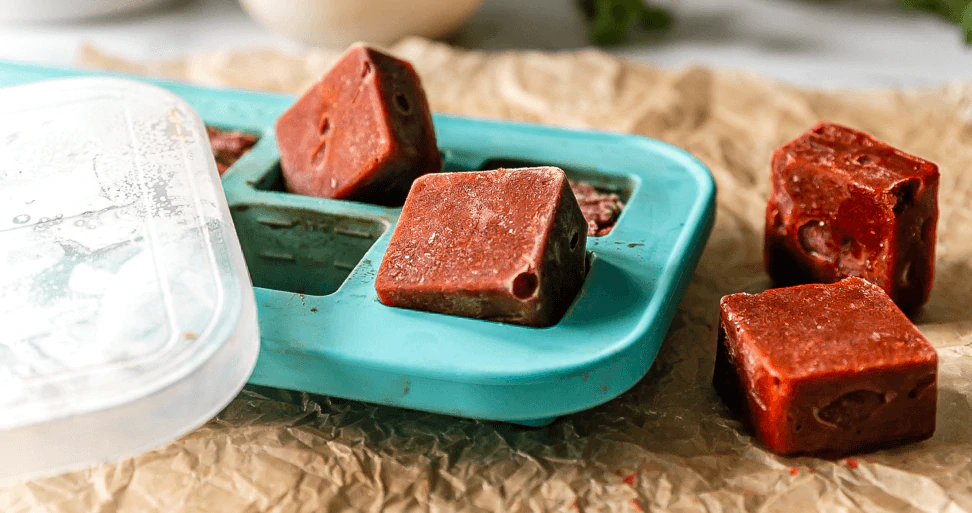
Yes! Scoop the cooked (and slightly cooled) rice evenly into the wells of your Souper Cubes trays. We recommend two, Souper Cubes 1-cup trays for this recipe. Press down gently with the back of a spoon to ensure there are no large air pockets and so the rice will freeze well together. Secure the labeled lid and place flat in the freezer for a few hours or overnight, until frozen solid.

How to Store Vegetable Rice Pilaf in Souper Cubes Trays
You can store your pilaf in the trays themselves, but this will tie up your trays for other recipes. Instead, once the cubes are frozen solid, remove them from the freezer and let the tray sit on the counter for 5 minutes. For shorter-term storage, transfer them into freezer-safe bags, and for longer-term storage, transfer them to heavy-duty vacuum-seal bags. If stored properly in vacuum-sealed bags, these rice cubes will stay fresh in the freezer for about 3 months.
How Long Does Rice Last in the Refrigerator?
If you plan to eat the pilaf throughout the week, you can store the rice pilaf safely in the refrigerator for up to 4 days.
How to Reheat Easy Vegetable Rice Pilaf

How to Reheat Easy Vegetable Rice Pilaf in the Microwave
From Thawed - Place your thawed rice cube into a microwave-safe container or a Souper Cubes 5-inch ceramic baking dish. Cover with silicone lid, slightly ajar and microwave on HIGH for 2 minutes or until hot throughout. From Frozen - Place the frozen 1-cup rice cube directly into your Souper Cubes 5-inch rectangular baking dish. Cover with a microwave-safe plate or silicone lid (slightly off), and microwave at 50% power for 2 minutes to break up the frost. Stir gently, add a splash of water, then microwave on HIGH for 1 to 2 minutes until steaming hot.
How to Reheat Easy Vegetable Rice Pilaf on the Stovetop
Place the frozen or thawed rice cube directly into a small sauce pot over medium-low heat. Add 1 to 2 tablespoons of water or extra broth directly to the pot. Cover with a tight lid. The liquid will heat up and create an enclosed steam chamber, beautifully rehydrating the grains. Heat for 5–7 minutes, stirring occasionally to break up the cube, until heated through.
FAQ (Frequently Asked Questions)
What is the difference between rice pilaf and regular rice?
Pilaf is a technique or method where you first toast the rice in a fat before adding the aromatics and liquids, like onions and broth. Plain rice is simply boiled or steamed. The rice in pilaf is toasted so the grains remain separate and it provides some flavor.
Can you freeze cooked rice?

Yes! You can freeze cooked rice. This recipe has you rinsing the Basmati rice before cooking, which allows the grains to freeze separately instead of forming a mushy block. If storing in a Souper Cubes tray or freezer-bag, it’s best to eat through your frozen stash of rice within 3-4 months for optimal freshness. For longer-term storage in the freezer, transfer to a Souper Cubes vacuum-sealed bag.
How long does cooked rice last in the fridge?
For up to 4 days in an airtight container if you plan on eating quickly.
How do you reheat frozen rice?
The best way to reheat rice is straight from frozen, with a splash of water or broth, covered in the microwave. Ideally you heat on a lower power, like 50% to thaw slightly, then on High to heat all the way through.
Why is my rice mushy?
Mushy or sticky rice pilaf is almost always caused by two common culprits: 1) skipping the rinse before cooking - If you don't rinse your raw Basmati rice under cold water to remove excess surface starches, those starches will gelatinize during cooking and glue the grains together or 2) using too much liquid - Because the rice is pre-toasted in oil, it requires slightly less liquid than standard steamed rice. Stick to the specified ratio in the recipe; excess liquid will cause the grains to split open, oversaturate, and turn gummy.
Can this be made vegetarian or vegan?
Absolutely! To make this recipe 100% vegan and vegetarian, simply use a vegetable broth rather than chicken broth. The olive oil used for sautéing is already naturally plant-based and dairy-free!
Can I substitute Basmati rice?
Yes, but with caution. You can easily substitute any long-grain brown rice, but you will need to adjust the cooking time to 40–45 minutes and pay attention to ratios on rice packaging to adjust the ratio of water to rice. For example, you may need to increase the broth to 3½ cups if substituting long grain brown rice. Do not attempt to use instant or minute rice for this method, as it lacks the structural integrity to survive freezing and reheating.


)





We would love to hear your ideas or better yet, post a photo of your cubes organized in our Freezer Meals & Recipes Facebook Group!