


Introduction
There's nothing worse than standing over the stove on Thanksgiving morning, whisking a lumpy, broken gravy while six other dishes need your attention. This make-ahead turkey gravy is silky, deeply savory gravy you can make weeks in advance and freeze in Souper Cubes trays.
The secret is two small flavor booster ingredients: a smidge of Dijon and a splash of Worcestershire. Together they give that deep, slow-simmered flavor without hours on the stove and turkey drippings. It's freezer-friendly for up to three months, and it reheats just as glossy and smooth as the day you made it.
This is the Thanksgiving homemade gravy to spoon over over turkey, mashed potatoes, stuffing, or biscuits -or spoon it straight from the pot, no judgment.
Why you will Love This Make-Ahead Gravy Recipe
Silky, Never Lumpy
The roux is cooked low and slow, and the broth is whisked in gradually. The result is a gravy that is glossy and smooth every time. No cornstarch shortcuts and no last-minute panicked straining.
No Drippings Needed
This is a deeply savory gravy without drippings that gets it's depth from an herb-infused broth, toasted roux, Dijon, and Worcestershire. It tastes like it has been simmered all afternoon. If you do roast a turkey on the day of, you can still whisk in the drippings for added flavor.
Make Weeks Ahead
One less dish to make on Thanksgiving! Make it up to three months ahead, freeze it in perfectly portioned Souper Cubes, and cross gravy off your day-of list entirely. All that's left is a five-minute reheat.

Key Ingredients & Smart Swaps
Roux vs. Cornstarch (Why Flour Freezes Better)
A roux is a classic French technique that takes butter and flour cooked together until light golden. It builds real flavor as it toasts, giving the gravy that classic nutty, caramelized backbone. Cornstarch thickens too, but it stays flavorless and can turn slightly gluey or start to weep liquid after freezing and reheating. Since this gravy is built to be frozen, the roux method holds up far better - it stays glossy and smooth through a freeze-thaw cycle instead of separating.
Dijon & Worcestershire
These are the flavor boosters that make this gravy taste like it's been simmering all day. Don't skip either one, even though the amounts look small - they're doing a lot of work. If you don't have Worcestershire sauce or want to keep it vegetarian, substitute a 1:1 mix of soy sauce (tamari) and apple cider vinegar and a pinch of brown sugar.
Chicken or Turkey Broth
Broth is the base, so use the best-quality broth available or swap in homemade stock. If you're making this recipe on Thanksgiving Day itself, whisk in any turkey drippings you have for even more flavor. Any broth here will do, to make it your own, but we suggest keeping it authentic and using turkey broth. Chicken broth or stock also works as well. Best to choose unsalted or low-sodium broth, so you can control the salt.
How to Create Gravy without Drippings

Infuse the Broth
Combine the chicken broth, bay leaf, herbs de Provence, and peppercorns in a saucepan and bring to a simmer over medium heat, about 10 minutes. If you happen to be roasting a turkey the same day, whisk in the pan drippings here for even more flavor. Set the broth aside.

Make the Roux
Melt the butter in a small saucepan over medium-high heat. Add the shallot and cook until just tender, about 2 minutes. Stir in the flour and cook, stirring constantly, until it turns light golden and smells nutty, about 4 minutes. Don't walk away here - flour can go from golden to burnt quickly, and a burnt roux can't be saved.

Whisk in the Broth
Slowly whisk the reserved broth into the roux, a little at a time, until fully incorporated and thickened, about 5 minutes. Whisk in the Dijon, Worcestershire, salt, and pepper. Strain to remove the peppercorns, and shallot bits. If you prefer a chunkier gravy, either eliminate the peppercorns in the broth or be sure to strain the broth before making the gravy.

Season and Strain
Strain through a fine-mesh strainer to remove the peppercorns, and shallot. For a more rustic gravy with the shallot left in, strain the broth before step 3 instead. Taste and re-season if needed.
Tips for Silky Make-Ahead Gravy
How to Thicken Gravy (or Thin It)
The easiest way to thicken gravy is to simmer it uncovered over medium-low heat, whisking often, until it coats the back of a spoon. Need it thicker fast? Cook 1 tablespoon each of butter and flour in a small pan for 2 minutes, then whisk that extra roux into the gravy. To thin it, whisk in warm broth a splash at a time.
Whisk Constantly to Avoid a Broken or Lumpy Gravy
The most common cause of lumps is adding the broth cold or all at once. Adding it gradually and whisking the whole time is key. If you do end up with a few lumps, strain the gravy through a fine-mesh strainer to fix it. If lumps still appear, don't fret, whisk hard, and pour the gravy through the fine-mesh sieve or blend it briefly with an immersion blender.
Get the Roux Color Right
For a classic gravy, you're aiming for light golden, not deep brown - think the color of peanut butter, not caramel. Stir constantly and pull it off the heat the moment it smells nutty and toasted.
Season at the End, Not the Start
The broth reduces and concentrates as it simmers, so hold off on salt until the very end, then taste and adjust. Salting early can leave you with an overly salty gravy once it's fully reduced if you add it at the beginning.

Can you Freeze Gravy? (Yes-Here's How)
Yes, you can freeze gravy. Homemade gravy thickened with a flour roux freezes well for up to 3 months, and this turkey gravy is no exception! The trick is freezing it in individual portions is that you only thaw what you need.

How to Freeze & Store Gravy in Souper Cubes Trays
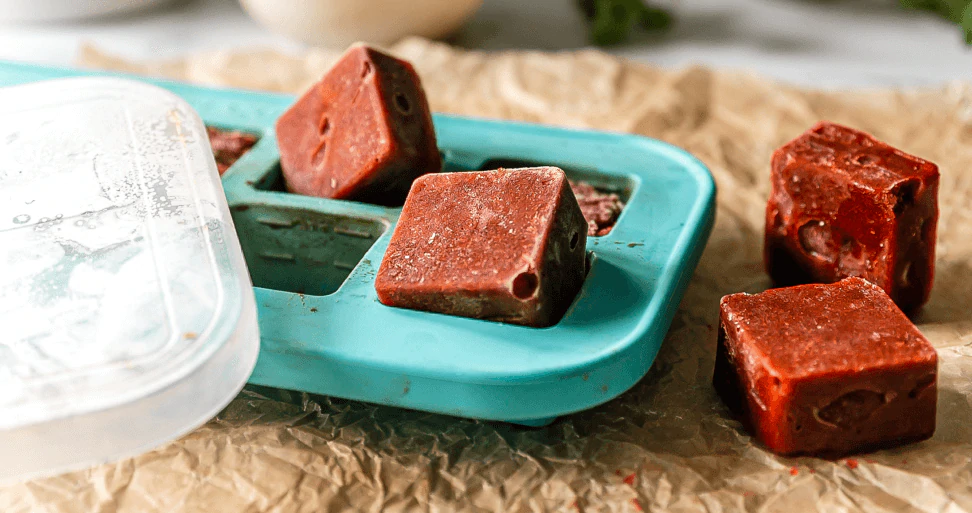
This recipe makes about 3 cups. Pour the finished gravy into the wells of the Souper Cubes 1-cup tray (or tray of preference). Cool to room temperature. Freeze flat and place in the freezer for a few hours to overnight to freeze completely solid. If you are prepping several sides, check out our Souper Cubes Meal Prep Variety 22-Piece Set! This recipe fills one, Souper Cubes 1-cup trays or yields 3 cups. Label with water-based marker or kitchen-tape, and place lid on top of the tray.

Remove from the freezer and let tray sit on the counter for about 5 minutes, so the cubes release easily. Pop the cubes out of the wells. You can easily store your gravy in Souper Cubes trays until you are ready to use, but this ties up your trays. Remove trays from freezer, pop cubes out of the wells. Then you can transfer your cubes from trays to freezer-safe bags or vacuum seal bags for up to 3 months. Leave tray on the counter at room temperature for up to 5 minutes to more easily pop out the cubes from the tray. Store in the refrigerator for up to 4 days, or in the freezer for up to 3 months.
How Long Is Gravy Good For?
|
Storage |
How Long |
Tips |
|
Refrigerator |
Up to 4 days |
Airtight container; reheat until bubbling |
|
Freezer, Souper Cubes tray with lid |
Up to 3 months |
Label with the date |
|
Freezer, freezer-bags or vacuum-seal bags |
Up to 3 months |
Label with the date |

How to Reheat Gravy
How to Reheat on the Stovetop
Thaw the gravy in the refrigerator for a few hours or overnight. Warm it in a medium sauce pot over medium-low heat, whisking occasionally, until just bubbling, about 5 minutes. Whisking as it heats helps it re-emulsify into that same silky texture. But don't walk away from the stove to make sure the gravy does not burn.
How to Reheat in the Microwave
Place the frozen cube in a Souper Cubes 5-inch baking dish, cover with the lid, and microwave at 50% power for about 4 minutes to semi-thaw. Switch to 100% power and microwave for another 4 minutes, or until fully thawed and hot, stirring halfway through. If reheating from thawed, skip the first step at 50% and just heat on high until warm, about 4 minutes.

FAQ (Frequently Asked Questions)
Can you freeze gravy made with flour?
Yes. Flour-thickened gravy like this one freezes well for up to 3 months. Pour it into a Souper Cubes 1-cup tray, freeze overnight, then pop out the cubes and store them in freezer bags.
How to keep the gravy from getting dry or thick?
Gravy thickens as it cools and freezes, so whisk in a splash of broth or water as you reheat until it loosens back to a pourable consistency.
What if I'm out of chicken broth?
Swap in turkey broth, low-sodium vegetable broth, or even water mixed with a bit of bouillon in a pinch.
Can I swap fresh herbs for dried herbs?
If using fresh herbs in place of the dried Herbs de Provence, use about three times the amount, since dried herbs are more concentrated. If you don't have Herbs de Provence you can substitute equal parts dried thyme, rosemary, marjoram and oregano.
How do I make it gluten-free?
Swap the all-purpose flour for a 1:1 gluten-free flour blend, or thicken with a cornstarch slurry whisked in at the very end (note: cornstarch-thickened gravy may not freeze and reheat quite as smoothly - see our note above on roux vs. cornstarch).
How do I make this dairy-free?
Substitute a plant-based butter or olive oil for the butter.
Can this be made vegetarian?
Yes! Use vegetable broth in place of chicken broth and omit the Worcestershire sauce. Some brands contain anchovies. Check out Key Ingredients section for a swap.
Can you make gravy ahead of time?
Yes. Make it up to 4 days ahead and refrigerate it, or up to 3 months ahead and freeze it. Reheat gently and whisk in a splash of broth to loosen.
Can you reheat gravy from frozen?
Yes. Microwave a frozen cube at 50% power for about 4 minutes, then at 100% for about 4 minutes, stirring halfway. Or thaw it overnight in the fridge and warm it on the stovetop. Whisk in broth if it's thick.
Can you freeze gravy more than once?
We don't recommend refreezing thawed gravy — the texture and flavor suffer. Freezing in individual portions solves this, because you thaw only what you need and leave the rest frozen.
How do you thicken gravy?
Simmer uncovered to reduce, or whisk in a little extra cooked roux. To thin, whisk in warm broth.
How do you fix lumpy gravy?
Whisk hard, strain it through a fine-mesh sieve, or blend briefly with an immersion blender. Prevent lumps by adding the broth to the roux gradually.


)





We would love to hear your ideas or better yet, post a photo of your cubes organized in our Freezer Meals & Recipes Facebook Group!